


News
Search All News
Thursday, October 29, 2026
Office Hours
Monday - Friday 9am - 5pmClosed Sat. and Sun.

Alumni Profile: Guillermo Escaño

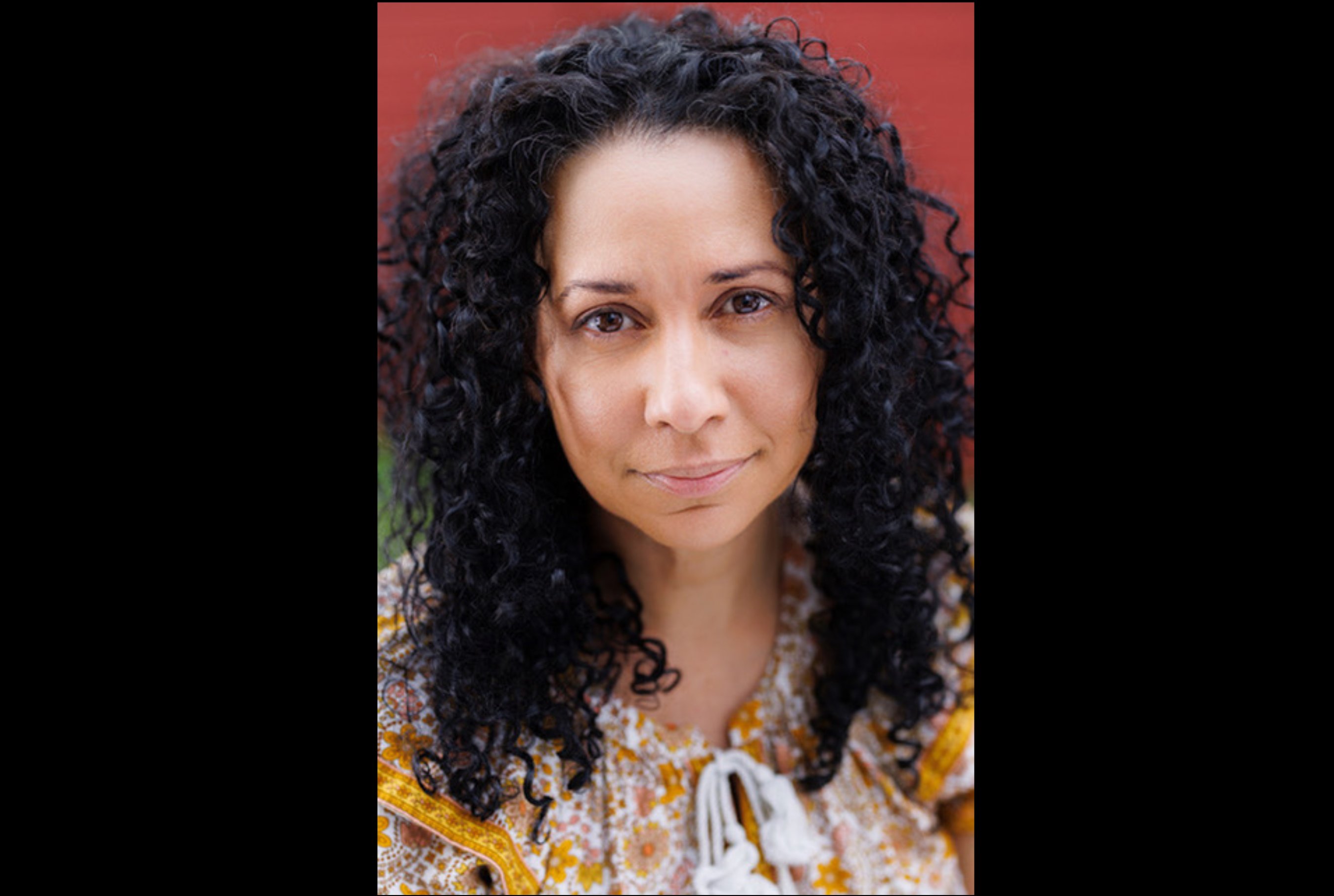
Photo Courtesy of Guillermo Escaño
October 29, 2026
Interview By Rosalia Moronta
Guillermo Escaño’s academic journey in Latin American and Caribbean Studies began close to home. Born and raised in the South Bronx, Escaño was inspired to study the region to better understand his own family history and the experiences of his community. With family roots in the Dominican Republic and Honduras, he became interested in understanding the historical, social, economic, and political circumstances that shaped his family’s migration to the United States.
Escaño’s connection to Lehman remains an important part of his story. Escaño graduated from LALS with a degree in Latin American and Caribbean Studies in 2016 and continues to recognize the professors and mentors who helped him envision a future in academia. He describes his success as the result of the support of his family, community, friends, and educators who encouraged him.
As a student at Lehman College, Escaño began to recognize similarities between his family’s experiences and those of other communities in the Bronx with connections to Mexico, Ecuador, Colombia, and other parts of Latin America. His interest eventually developed into a deeper exploration of migration, political conditions, and violence throughout the region.
Escaño credits the Latin American and Latino Studies Department at Lehman as a fundamental part of his academic development. He describes the department as his “intellectual foundation,” where professors provided him with the critical tools necessary to examine Latin America from multiple perspectives. The guidance and scholarship of professors such as Dr. Alyshia Gálvez and Dr. Forrest Colburn played an important role in shaping his academic interests. Even today, Escaño incorporates some of Colburn’s scholarship into his own teaching, demonstrating the lasting influence of his undergraduate education at Lehman.
After Lehman, Escaño continued his academic path into political science, criminology, and criminal justice. His research focuses on the causes and consequences of interpersonal violence in Latin America. One of the central questions guiding his work is why certain countries experience high levels of violence and how social and economic conditions contribute to these patterns.
Rather than viewing violence as something inherent to communities or countries, Escaño emphasizes the importance of understanding its structural causes. His research examines issues such as poverty, income inequality, state capacity, criminal competition, and the social conditions that can lead young people to join criminal organizations. His work also questions policies that rely primarily on aggressive law enforcement approaches, arguing for greater attention to the root causes of violence and evidence-based solutions.
For Escaño, becoming a professor has brought a new responsibility: making complex academic research accessible to a wider audience. He describes teaching as an opportunity to transform the “ivory tower” into a bridge communicating ideas not only to students but also to people who may not have had access to higher education. His goal is for students to understand that the challenges facing Latin America are not distant or random events, but issues that have real consequences for communities and global society.
His teaching also emphasizes the importance of understanding both the challenges and possibilities within the region. Escaño encourages students to look beyond short-term solutions and examine how institutions and social conditions contribute to problems such as violence and political instability. For him, understanding these issues means recognizing that they are systemic; therefore, they can be addressed through intentional social and political change. His advice to current LALS students is to remain open to opportunities, take risks, and not be afraid of making mistakes. He encourages students to seek guidance from professors and administrators, explore different professional possibilities, and travel when possible. His own study-abroad experiences in Latin America became an important part of his intellectual growth, allowing him to connect what he learned in the classroom with his experiences in the region.
Most importantly, Escaño reminds students that their backgrounds are a source of strength. For first-generation students, Latinos and Latinas, students of color, and students from immigrant backgrounds, he believes that the challenges they may face can also provide perspectives that are valuable in academic and professional spaces. His message to students is clear: you belong in those spaces, and you should never doubt yourself or your potential.
Escaño will also return to Lehman College on November 9, 2026, as a featured speaker at the Latin American and Latino Studies Department’s first Career Day. The event will bring together professionals and students to explore career opportunities, mentorship, and postgraduate pathways. During the event, Dr. Escaño will share his journey from Lehman College to doctoral studies at the University at Albany, SUNY, and his current position as Assistant Professor in the Department of Sociology and Criminology at Villanova University. His participation will offer LALS students an opportunity to learn from his experiences and discover how their education can prepare them for careers in research, academia, and beyond.